
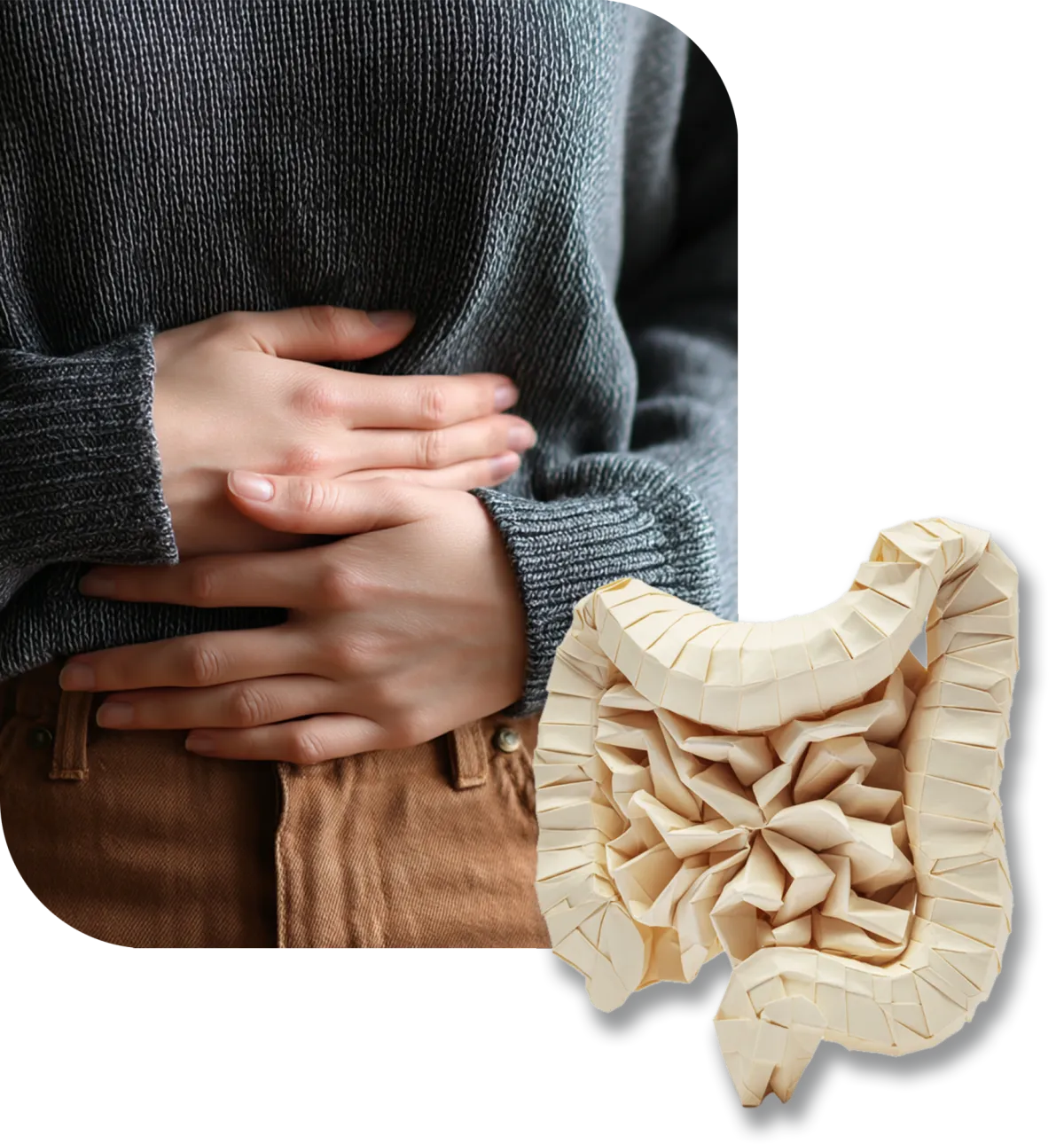
Understanding Constipation Symptoms - 3 Unhealthy Gut Signs
Gut Health, Constipation, Digestive Wellness
Whether they appear suddenly or accompany a chronic condition, constipation symptoms can disrupt your daily routine, leaving you feeling frustrated, uncomfortable, or in pain – haemorrhoids, anyone?
Here are three unhealthy gut signs of constipation.
You might think constipation is a straightforward condition to diagnose, but the truth is, the average person isn’t always sure if they’re actually constipated.
Here’s why:
Broad definition: the definition of constipation is broader than you may realise
Hidden symptoms: many constipation symptoms are far from obvious
In the 1980s, gastroenterology experts standardised the definition of constipation, opting to assess multiple symptoms rather than just toilet frequency. Thus, the Rome Criteria were born. In 2016, these Criteria were refined to introduce subtypes, duration of symptoms, and diagnostic criteria.
Simple Constipation Symptoms
Straining: if you’re exerting Herculean effort for a number two, chances are you’re constipated
Harder than a rock: when your waste resembles zen-like pebbles or rabbit pellets, your digestive system is struggling
Feeling incomplete: any sensation of incomplete evacuation after a pit stop (toilet visit) is a classic sign of constipation
Blockade: if you feel like you’re encountering a roadblock in your backside, constipation is to blame
Manual labour required: if you’re needing to manipulate your belly on the toilet, it indicates constipation
Frequency: less than three spontaneous pit stops per week, you’re constipated
📌 Key Takeaway: Constipation isn’t only about how often you go — how you go, how it feels, and what your stool looks like all matter too.
The Twyford V Criteria
I’d like to suggest an amendment and update to the Rome IV Criteria. Let’s call it the new improved – Twyford V Criteria.
Firstly, numerous experts encourage aiming for a more regular frequency of pit stops – at least one to two per day – for optimal digestive health. Regular waste evacuation helps eliminate toxins and limits the time bad bacteria can get to work. Secondly, it’s surprising that three key constipation symptoms have been left off the list.

Three unhealthy gut signs of constipation
Gas: excessive gas is a telltale sign that waste is overstaying its welcome
Smell: a strong odour, regardless of toilet frequency or appearance, signals constipation
Diarrhoea: chronic diarrhoea, often overlooked, can be a sign of constipation. It has a characteristic bad smell. Your body tries to liquify the contents of the colon in a final ditch attempt to get rid of toxic waste.

In all my consultations with medical experts, they rarely ask about these symptoms.
💡 Pro Tip: Track your gas, odour, and stool consistency for a week. These “uncomfortable” details can give your practitioner vital clues.
Moving forward, excessive gas and foul odours (that could win your gut the gold in the Stink Olympics!) should function like hyperlinks to the diagnosis of constipation.
Don’t ignore constipation symptoms
Constipation can indicate underlying issues with your GI tract. If you’re experiencing persistent symptoms or stomach pain, don’t delay – see a healthcare professional. If you’re still experiencing stomach pain and serious conditions have been ruled out, you’re possibly battling trapped gas – you’re constipated. Empower yourself by recognising common constipation symptoms, delving into normal gut function, and asking questions.
“Listening to your gut isn’t just a saying — it’s a powerful early warning system for your overall health.”
Want To Understand What Your Gut Is Trying To Tell You and what you can start doing differently? My GUTWISE Course is now LIVE. Start here:
Explore GUTWISE Course
© 2026 Vaughan Wickins. All rights reserved.